.png)







Leadership enters the ‘explain yourself’ era as scrutiny intensifies
Leadership decision-making is coming under increased scrutiny, according to new research from Robert Walters.
Polling conducted ahead of the launch of the Robert Walters Talent Trends 2026 guide found that 70% of managers feel their decisions are being more closely scrutinised by their colleagues than two years ago. While 69% of workers say they are paying closer attention to leadership decisions over the same period.
When asked which leadership decisions they judge the most, workers pointed to how people-related decisions are made (73%), followed by decisions around workload pressure and burnout (18%).
Christian Atkinson, Director at Robert Walters, says, “Employees are paying closer attention to leadership decisions because the stakes have become higher.
As technology accelerates change and roles evolve more quickly, people want reassurance that decisions are being made thoughtfully and fairly.
It’s no longer enough for leaders to simply make the right decisions; employees now want to know how those outcomes are reached.”
Growing pressure as decisions come under closer watch
This heightened scrutiny has led to 60% of managers feeling more stressed in their role and 10% say it has changed how they communicate and explain decisions.
Christian comments “Increased scrutiny doesn’t mean managers are underperforming. It reflects how visible and consequential leadership decisions have become. Managers are being asked to make judgement calls in more complex environments, often with incomplete information and higher expectations for transparency.
“For some, that pressure is starting to make leadership roles feel less attractive. If organisations want strong leaders in the future, they will need to recognise this shift and actively support managers to sustain trust and performance.”
The findings form part of the Robert Walters Talent Trends 2026 guide, launching today, which explores the forces shaping hiring, leadership and workforce strategy in the year ahead.
As businesses adapt to the changing environment, success will depend less on headline initiatives and more on how effectively leaders apply judgement in day-to-day decision-making.
Key talent trends shaping leadership decisions in 2026
The guide identifies eight workforce trends that are increasing the complexity and visibility of leadership decision-making:
1. From quiet cracking to the engagement recession
Subtle signs of employee strain influencing overall team performance are forcing leaders to make more conscious decisions about workload and wellbeing.
2. Leadership continuity and succession under pressure
An increase in leadership transitions is pushing organisations to make earlier and more deliberate choices around capability building and leadership pipelines.
3. The rise of the non-permanent workforce
Leaders are increasingly deciding when and how to integrate contractors, interim leaders and fractional specialists to support long-term workforce plans.
4. AI-enabled job application overload
The growth of AI-driven applications is driving employers to rethink hiring processes and reinforce the role of human judgement in decision-making.
5. Emotional intelligence as a core leadership capability
As AI and automation accelerate, leaders are being judged not just on outcomes, but on how they handle change and sensitive people decisions.
6. Salary transparency reshaping pay expectations
With new regulations coming into force in several markets and growing employee demand for fairness, leaders are being pushed to rethink how they structure and communicate pay decisions.
7. Career cushioning becomes the norm
More professionals are proactively strengthening their career options, creating both retention risks and new opportunities for leaders.
8. Managing a multigenerational workforce
With up to five generations working side by side, leaders are being challenged to personalise employee experience, communication styles and working preferences.
Christian concludes, “Across all the trends we’re seeing in 2026, from AI in hiring to changing workforce models, leadership credibility is becoming a decisive factor. Organisations that equip leaders to make balanced, human-centred decisions will be better placed to attract, engage and retain talent.”
The Talent Trends 2026 guide draws on Robert Walters’ global market insight and expertise across recruitment, outsourcing and talent advisory. It supports business leaders as they navigate workforce planning and hiring decisions in the year ahead.
Download the full Talent Trends 2026 report here.
Want to know more?
For more tips and advice, explore our hiring advice. Contact one of our offices or upload your vacancy today.
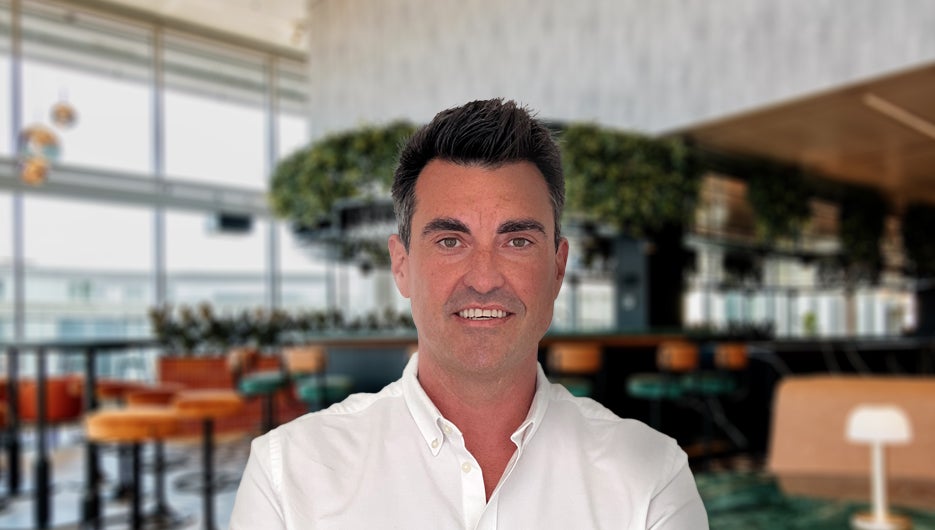
Christian Atkinson
Director Robert Walters SwitzerlandRelated content
View All
A lack of connection with management is a decisive reason for many employees to leave. This is according to Swiss recruitment specialist Robert Walters' recent Talent Trends report, which identifies ‘human-centric leadership’ as the success factor for 2025 and beyond. As many as 63% of surveyed prof
Read More
Poor leadership is rarely a matter of lacking expertise. What frustrates employees most are the daily behaviors and communication styles of their managers. According to Swiss recruitment specialist Robert Walters, employees often disengage when leaders only communicate when they need something. That
Read More
Mentoring programmes are essential to an organisation's success strategy. They enhance employee performance, promote growth and create an inclusive work culture. Recruitment specialist Robert Walters explains why every organisation should invest in a mentoring programme. 1. Internal growth and caree
Read More