.png)







‘Big return to office’ unlikely for Swiss professionals
- 46% of professionals would consider changing jobs if hybrid work arrangements were eliminated
- 43% cite a better work-life balance as key reason to change jobs in 2025
- 63% of employers view hybrid work as a top retention strategy
- 78% of employers has no plans to reduce hybrid work options in 2025
As 2025 approaches, the debate remote work seems to have shifted towards consensus. The latest salary survey by Swiss recruitment specialist Robert Walters highlights an alignment between Swiss professionals and employers on the importance of flexible working arrangements.
“This indicates that remote work is no longer a temporary fix but a permanent part of workplace culture,” says Christian Atkinson, Country Director at Robert Walters Switzerland.
Why flexibility matters to employees
For employees, flexibility is non-negotiable. Nearly half (46%) of professionals would start seeking new opportunities if flexible hours or hybrid work arrangements were eliminated. Another 24% would consider a job change depending on other factors such as salary or benefits. This shows that flexibility is a critical factor in both job satisfaction and retention.
Moreover, 43% of Swiss professionals identified a better work-life balance as one of the top reasons for seeking new opportunities in 2025. “Remote and hybrid work setups play a major role in improving work-life balance, a key factor in job satisfaction for today's employees,” Christian explains.
Employers are listening
Interestingly, employers are in line with these views. A significant 63% of organizations view flexible working arrangements as one of their most effective retention strategies. This reflects the growing realisation that a motivated workforce requires more than just competitive salaries – it also demands adaptable work policies.
Christian adds: “Our survey also revealed that 78% of employers plan to maintain their current remote work policies in 2025, while 7% even intend to expand these opportunities."
Organizations understand the risks of reducing flexibility and the potential negative impact on employee loyalty.
Challenges of hybrid work
However, hybrid work does come with its challenges. Employers frequently cite issues such as managing team dynamics and culture (44%), communication and collaboration difficulties (41%), and monitoring staff performance and productivity (37%). While challenges in employee engagement and technology/infrastructure issues were noted, they were less common.
“Interestingly, a quarter of employers reported no significant challenges with hybrid work, suggesting that for many, the model is already working well with the right systems and practices in place,” Christian notes.
Flexibility in 2025
The survey results clearly show that both employees and employers understand the value of flexible work arrangements, albeit for different reasons. For professionals, it’s about work-life balance and autonomy. For employers, it’s about retaining top talent in a competitive market.
“This alignment presents an opportunity for organizations to refine their hybrid models, overcoming challenges while continuing to benefit of a flexible work setup. Looking ahead, the stage is set for a more balanced, productive and engaged workforce,” Christian concludes.
Find out more?
Request free access to our digital Salary Survey tool today and explore the salary and hiring trends in your industry.
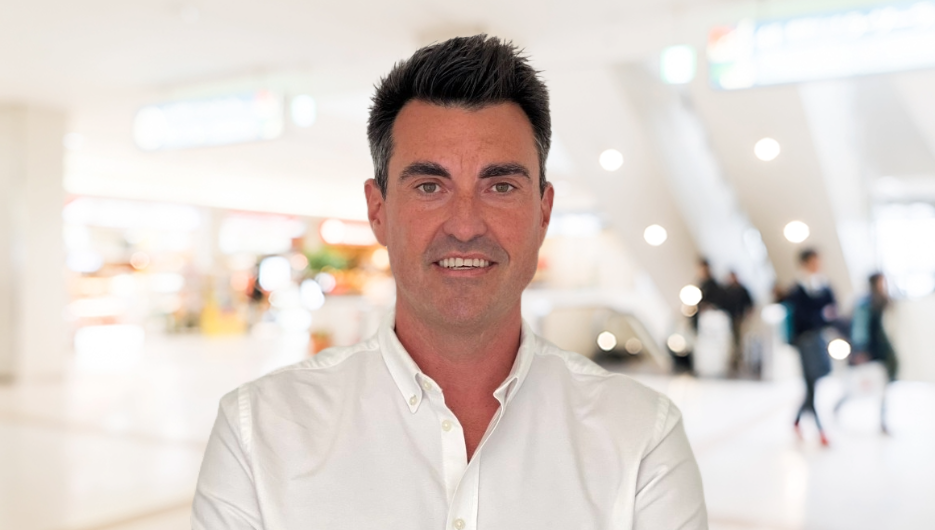
Christian Atkinson
Country Director | Robert Walters SwitzerlandPhone: +41 44 809 3513
Related articles
See more content
Between a cooling market and targeted demand for skilled professionals After years of strong demand, the Swiss labour market is losing momentum. The number of job vacancies fell by 2.4 % in the second quarter of 2026 compared with the previous quarter. At the same time, job cuts at major employers i
Read More
Robert Walters would like to alert you to an impersonation scam involving individuals pretending to be Robert Walters employees. Some individuals have informed us that they received Facebook or WhatsApp Texts or Calls from persons claiming to have potential job opportunities. Voice phishing is a typ
Read More
Robert Walters proudly announces its 8th consecutive recognition as one of the ‘Best Recruiting Firms in Switzerland in 2026.’ HandelsZeitung, PME and Statista conducted an extensive survey, affirming Robert Walters' status in both Executive Search and Professional Search categories. Robert Walters
Read More